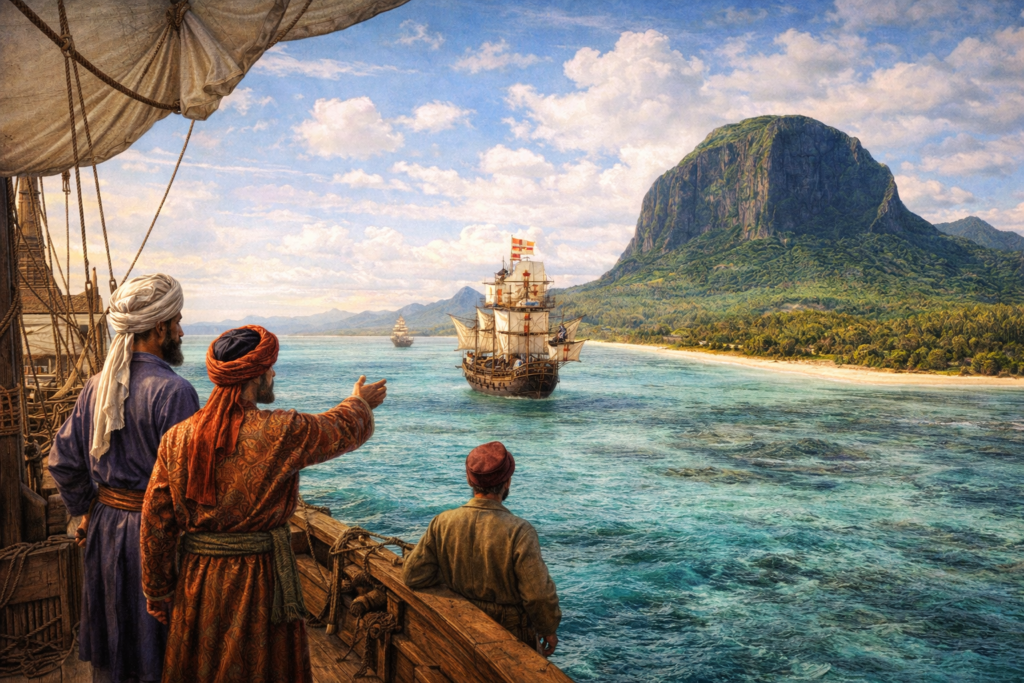
Unlike many countries, Mauritius had no indigenous population. When Arab and Malay sailors first sighted the island around the 10th century, it was completely uninhabited. The first recorded European visitors were the Portuguese in the early 1500s, but they never settled, using the island mainly as a stopover during long sea voyages.
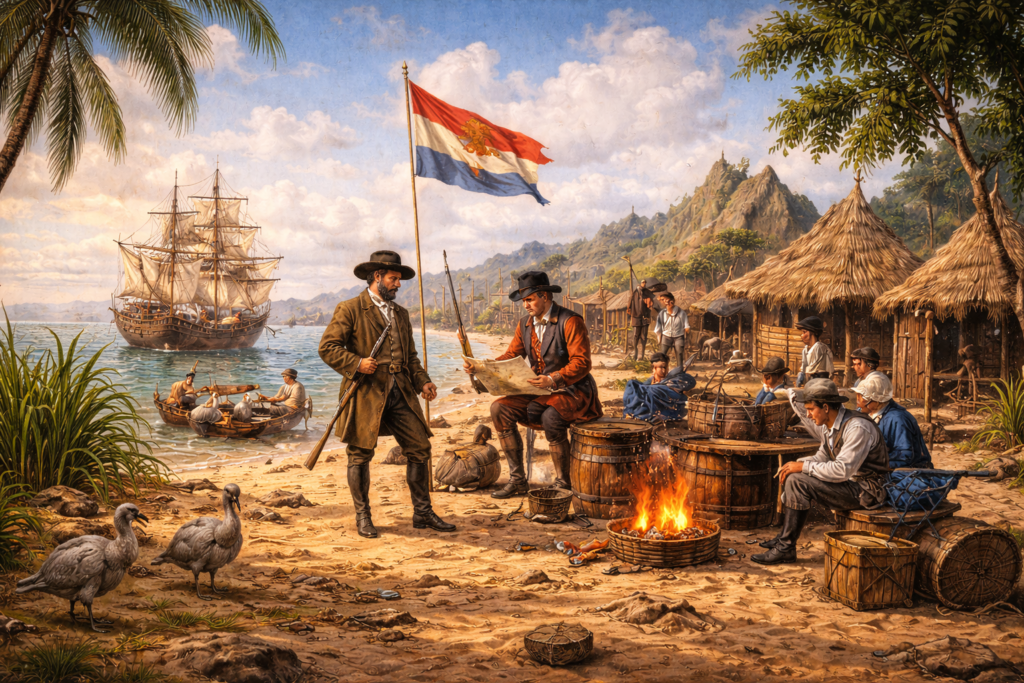
The story of settlement began in 1638 when the Dutch established the first colony and named the island Mauritius after Prince Maurice of Nassau. The Dutch introduced sugarcane and deer, but their stay was short-lived. Harsh weather, cyclones, and economic difficulties led them to abandon the island in 1710, leaving it deserted once again.
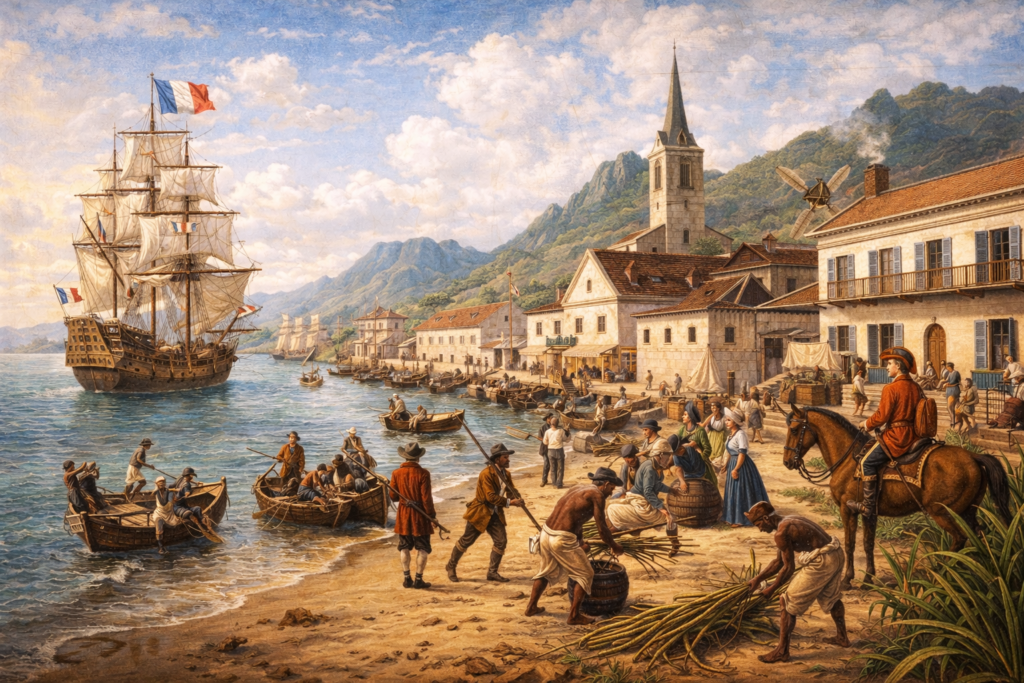
Five years later, the French claimed the island and renamed it Île de France. Under French rule, Mauritius began to take shape. Port Louis was developed into a major naval base and trading port, and sugar production expanded rapidly. However, this period also marked the start of slavery, with enslaved Africans brought to the island to work on plantations. Many of today’s Mauritian traditions, language influences, and cuisine trace their roots back to this era.
In 1810, during the Napoleonic Wars, the British captured the island. Although the name Mauritius was restored, the British largely preserved French laws, customs, and language — a rare colonial compromise that still defines Mauritian identity today. One of the most significant milestones under British rule was the abolition of slavery in 1835. To replace enslaved labor, indentured workers were brought mainly from India, forever changing the island’s demographic and cultural landscape.
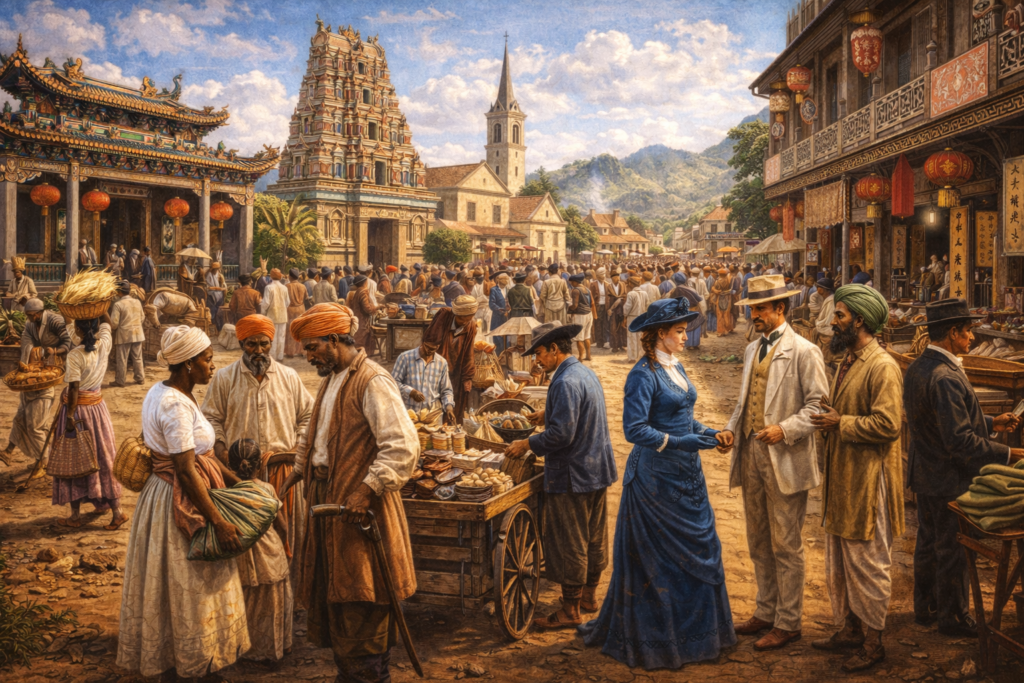
By the late 19th and early 20th centuries, Mauritius had become a mosaic of cultures — African, Indian, Chinese, and European — living side by side. Religious tolerance, multilingualism, and cultural blending became hallmarks of Mauritian society.
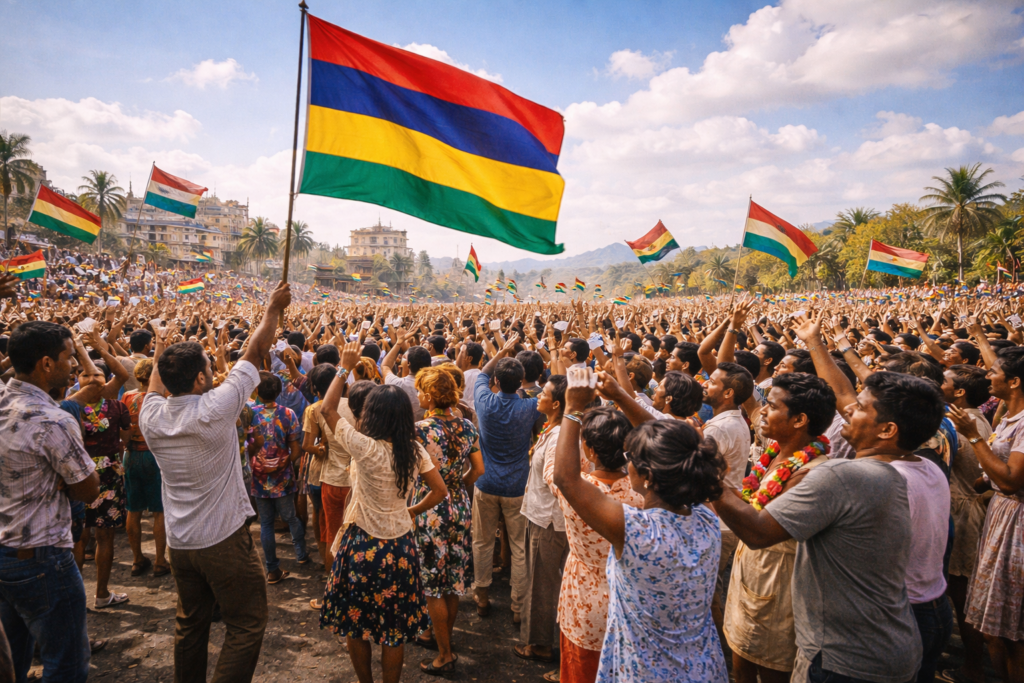
On 12 March 1968, Mauritius gained independence from Britain, and later, in 1992, became a republic. Since then, the country has transformed itself from a sugar-dependent economy into a stable, diversified nation with strong tourism, financial services, and textile industries.
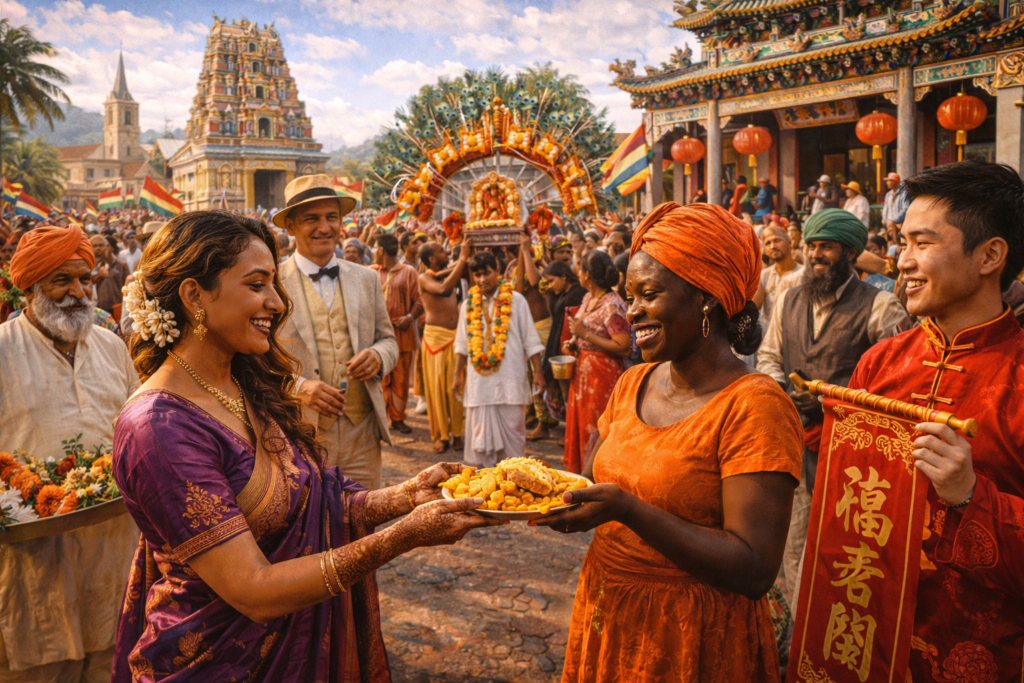
Today, Mauritius stands as a living example of peaceful multicultural coexistence. Its history is not confined to museums or textbooks — it is visible in its festivals, heard in its languages, tasted in its food, and felt in the warmth of its people.
To travel to Mauritius is not just to visit a tropical island, but to walk through centuries of global history — all woven together in one extraordinary destination.