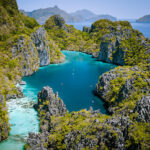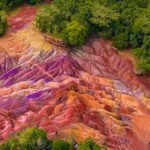
At first glance, Mauritius appears small — just a dot in the vast Indian Ocean. But the moment you begin exploring, something shifts. The island unfolds in layers of contrast and diversity that make it feel far larger than its size suggests. In just a single day, you can travel from coral lagoons to misty mountains, from lively markets to quiet forest trails. Mauritius may be compact geographically, but experientially, it feels expansive.
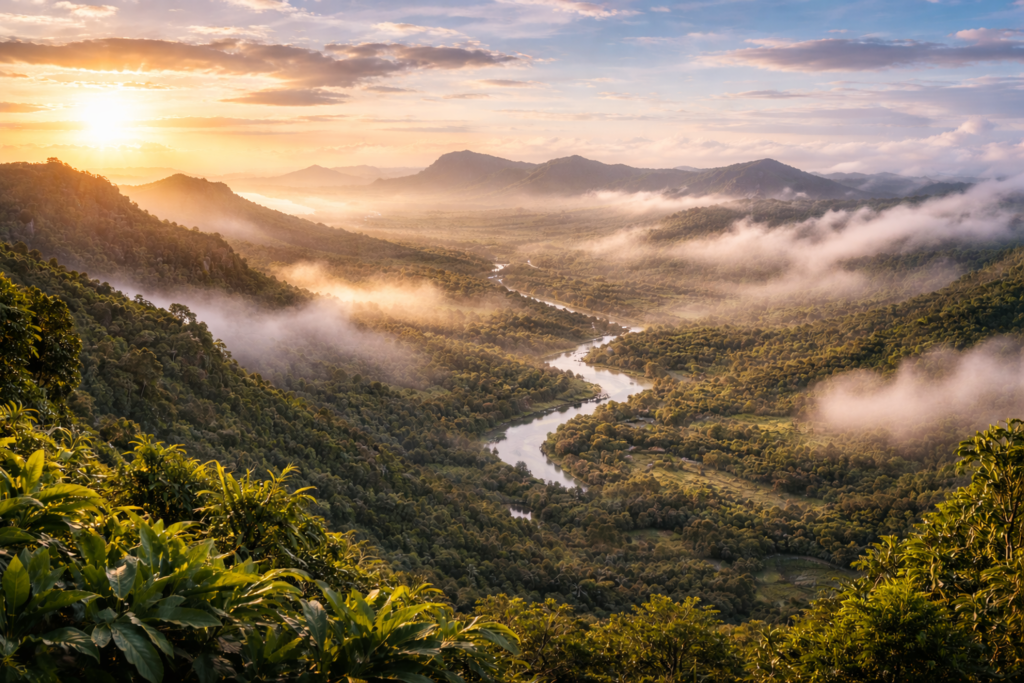
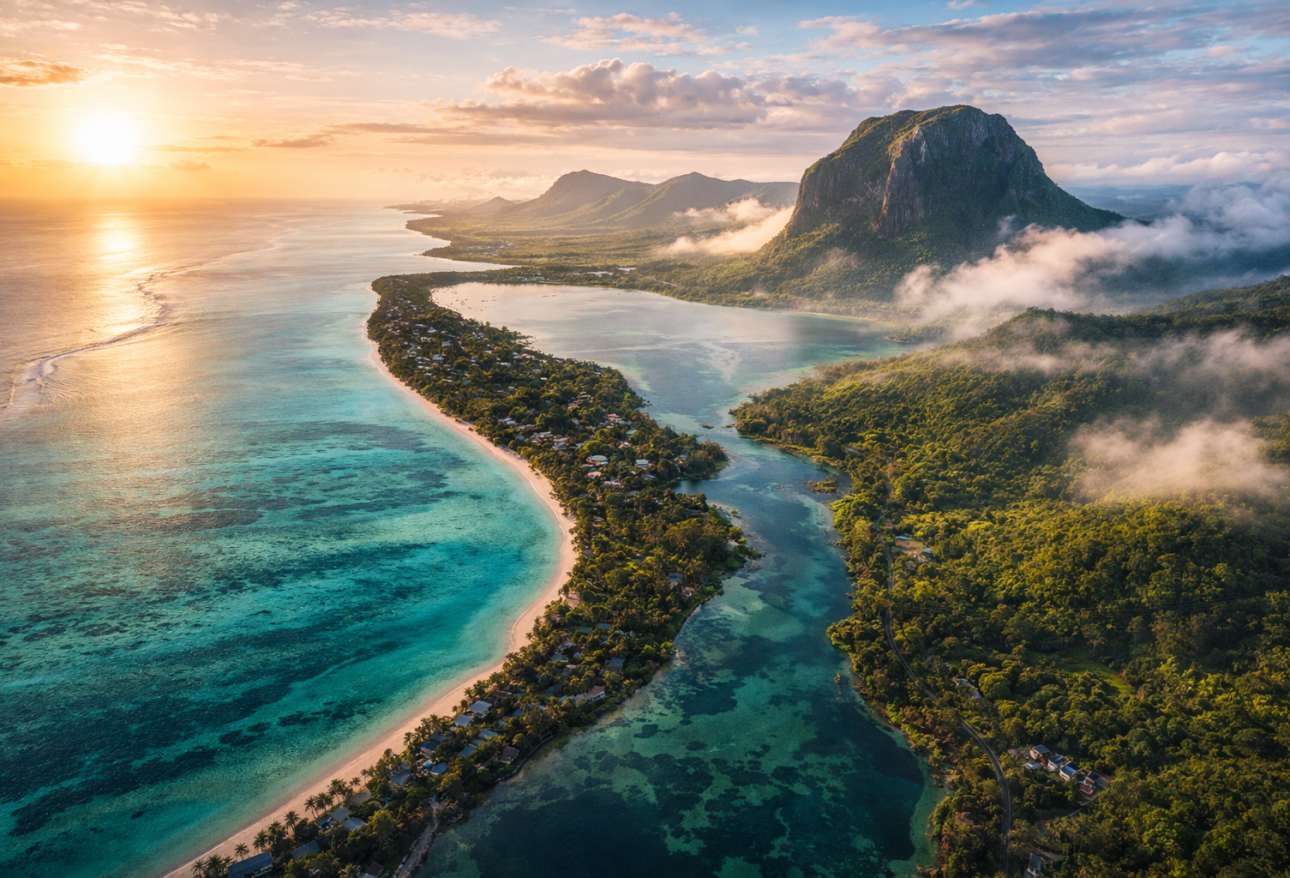
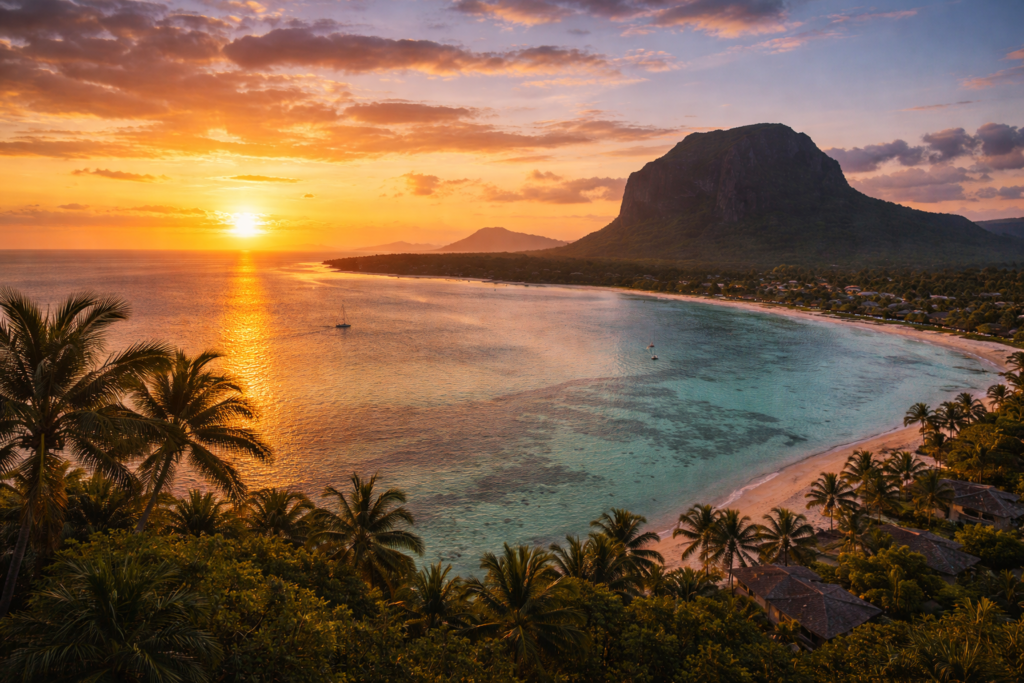
One reason for this illusion of scale lies in the island’s dramatic volcanic origins. The landscape rises and falls in unexpected ways. Towering peaks like Le Morne Brabant dominate the horizon, while deep valleys and ridgelines stretch across the interior.
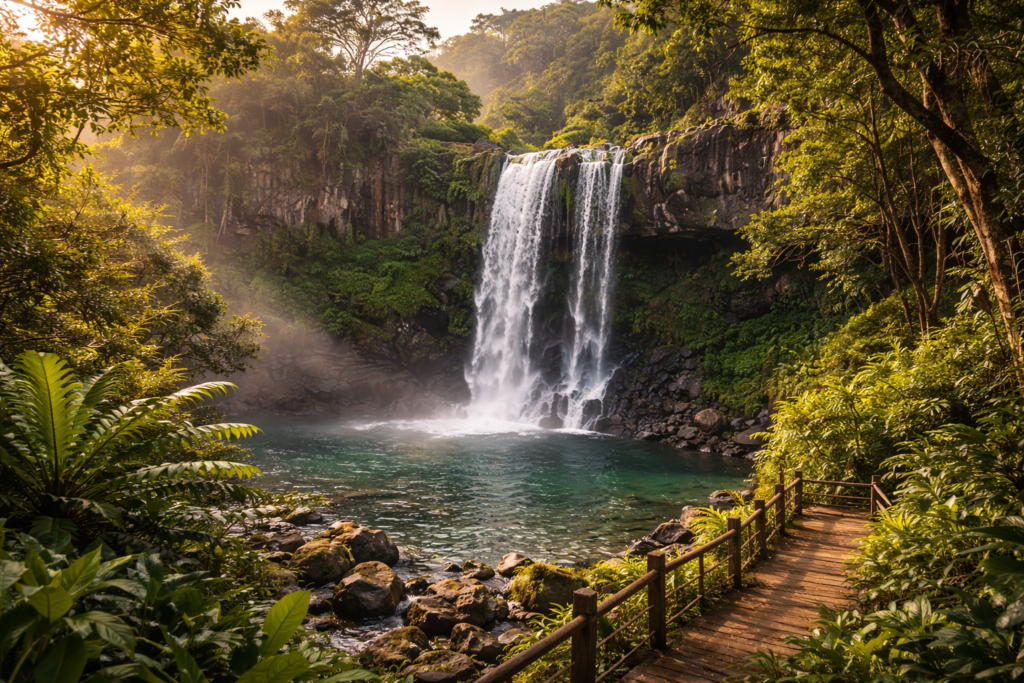
Drive inland, and the coastal palm trees give way to dense forests, sugarcane fields, and winding mountain roads. Each turn reveals a new perspective — a waterfall cascading over basalt rock, a panoramic viewpoint overlooking turquoise lagoons, or a crater lake hidden in the highlands.
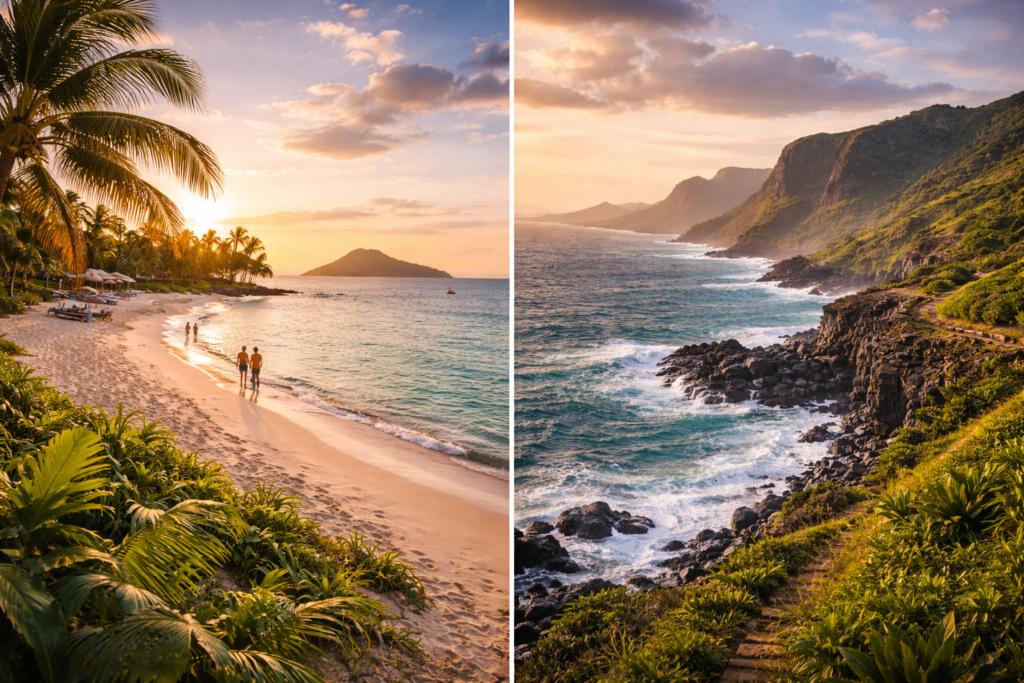
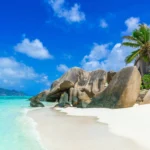
The coastline itself adds to this sense of variety. Mauritius does not offer one uniform beach; it offers dozens of distinct coastal personalities. In the north, calm waters shimmer under golden sunsets. In the east, stronger trade winds ripple across open lagoons. The west coast blends mountain silhouettes with warm, sheltered beaches, while the south reveals rugged cliffs and dramatic waves. Moving between these regions feels like traveling through separate islands, each with its own mood and atmosphere.
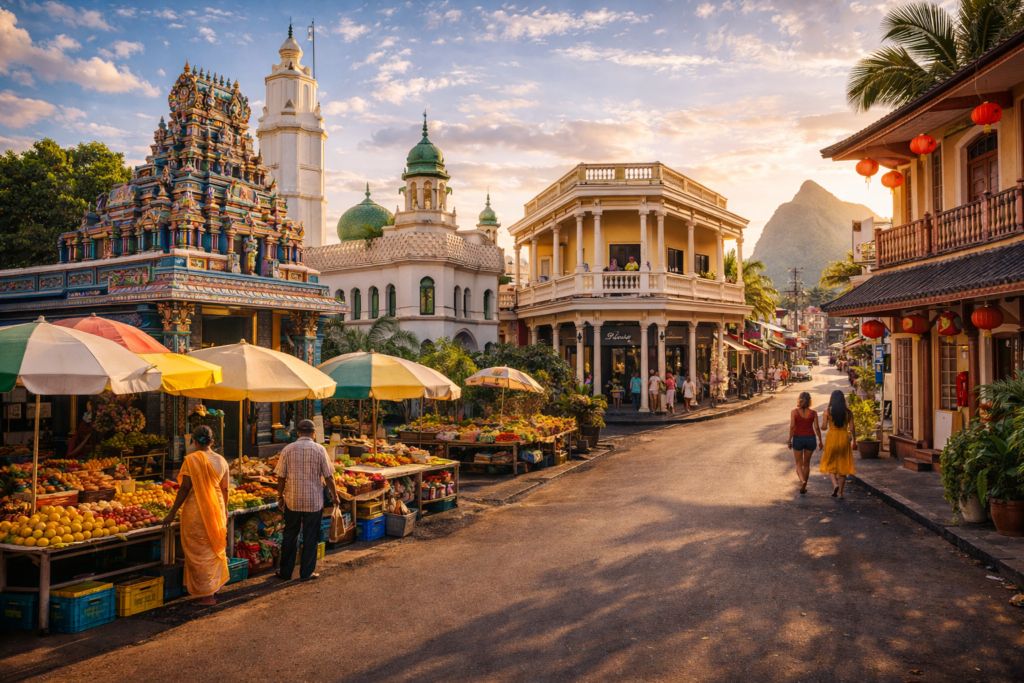
Cultural diversity further expands the island’s character. Mauritius is home to communities of African, Indian, Chinese, and European heritage, and their influences are visible everywhere — in architecture, language, cuisine, and celebration. A morning might begin at a Hindu temple, continue through a French-inspired market, and end with Chinese-Mauritian noodles by the sea. The coexistence of traditions creates depth, making each town and village feel distinct yet interconnected.
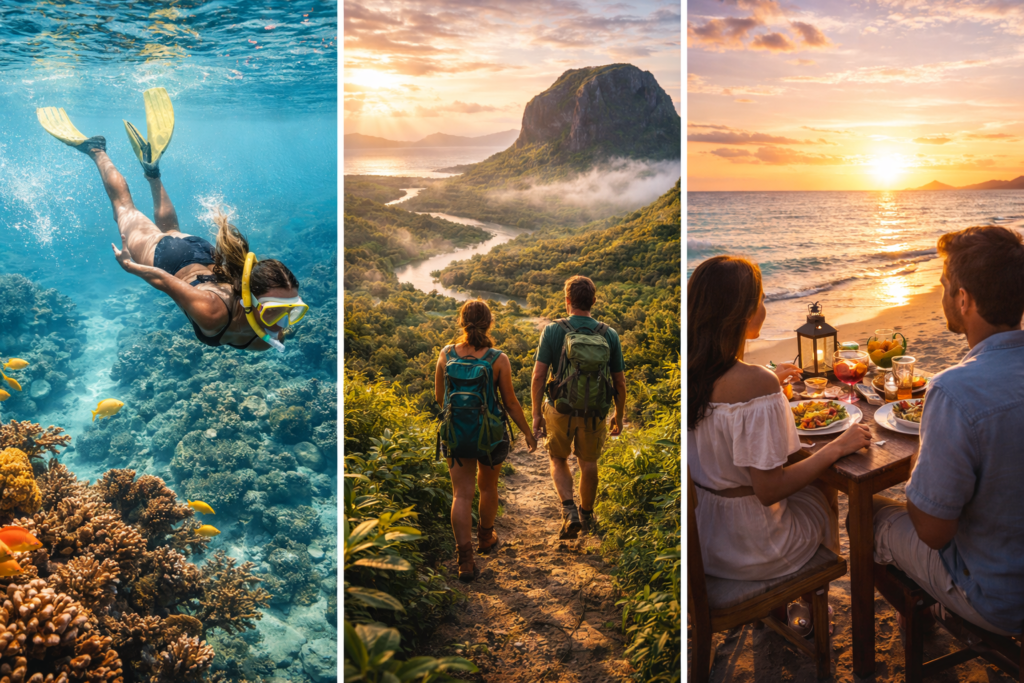
Even distances contribute to the illusion. Because travel times are short, you can experience multiple landscapes in one outing. A sunrise swim can be followed by a mountain hike, a forest walk, and a seaside dinner — all without exhausting travel. This seamless movement between environments keeps the journey dynamic. You are never confined to one setting for long.
Nature amplifies this feeling of breadth. Coral reefs protect tranquil lagoons ideal for snorkeling, while inland national parks shelter endemic plants and rare bird species. Waterfalls, volcanic craters, river gorges, and panoramic cliffs coexist within a relatively small footprint. The concentration of ecosystems creates richness, not repetition.
Perhaps most importantly, Mauritius feels bigger because it engages more than just sight. The island invites participation. You do not simply observe the landscape — you move through it. You swim, hike, taste, listen, and connect. Experiences overlap and blend, creating layers of memory that stretch beyond geography.
In the end, Mauritius challenges assumptions about size. It proves that expansiveness is not measured in square kilometers, but in diversity of experience. The island may be small on a map, but once you arrive, it opens outward — revealing a world that feels far larger than you ever expected.