

Visitors often arrive in Mauritius seeking rest, but many leave with perspective. The island does not preach its values; it lives them quietly, consistently, and without spectacle. Its lessons are not delivered through monuments or slogans, but through everyday interactions and shared spaces.
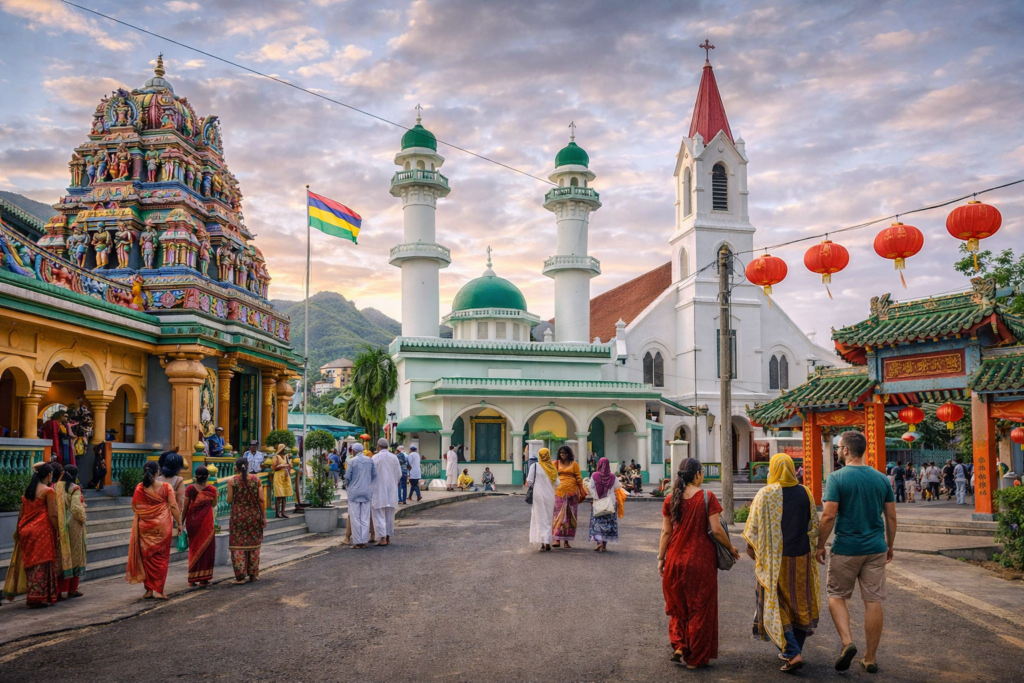
One of the most striking lessons Mauritius offers is how diversity can become strength rather than division. The island is home to people of African, Indian, Chinese, and European heritage, practicing different religions and preserving distinct traditions. Yet these differences do not exist in isolation.
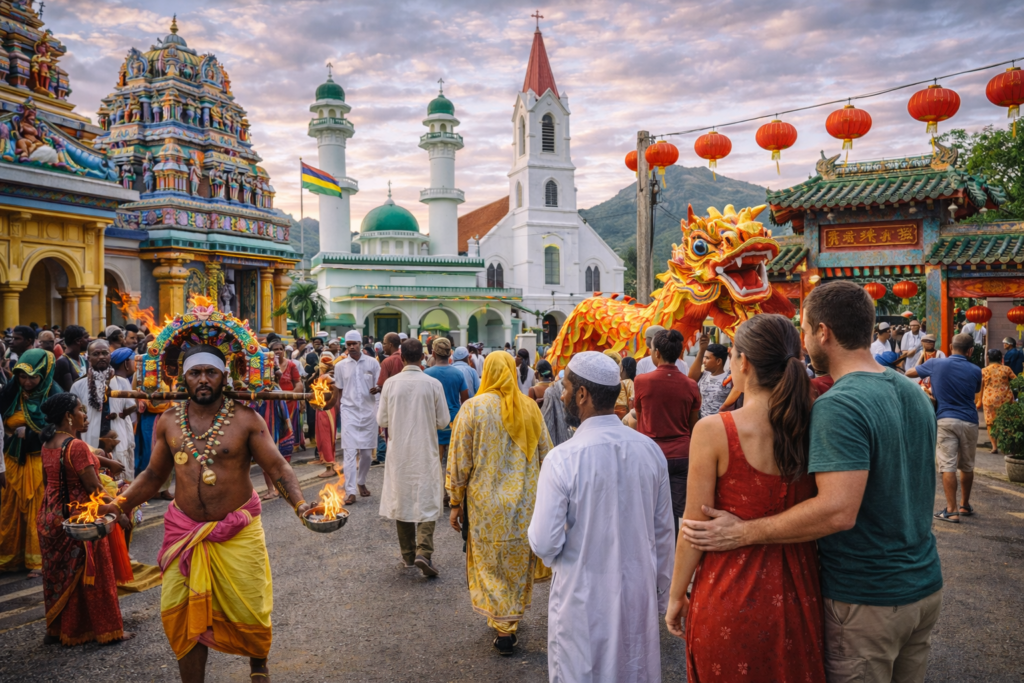
Festivals are shared, languages blend naturally, and respect is woven into daily life. Temples, mosques, churches, and pagodas coexist not as symbols, but as living spaces of faith. Mauritius shows that harmony does not require uniformity — it requires mutual respect.
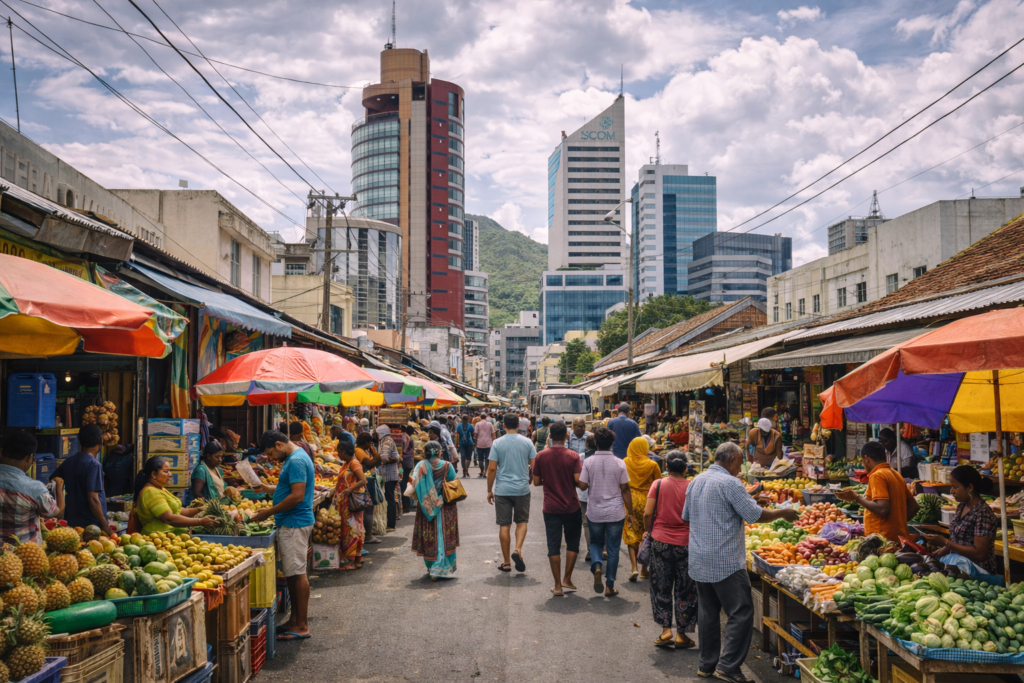
Another lesson lies in balance. Mauritius has learned how to embrace modern progress without losing its sense of identity. Financial services, tourism, and global trade thrive alongside village markets, family-run shops, and traditional ways of life. Development here has not erased culture; instead, it has learned to move alongside it. The island proves that growth does not have to mean disconnection from roots.
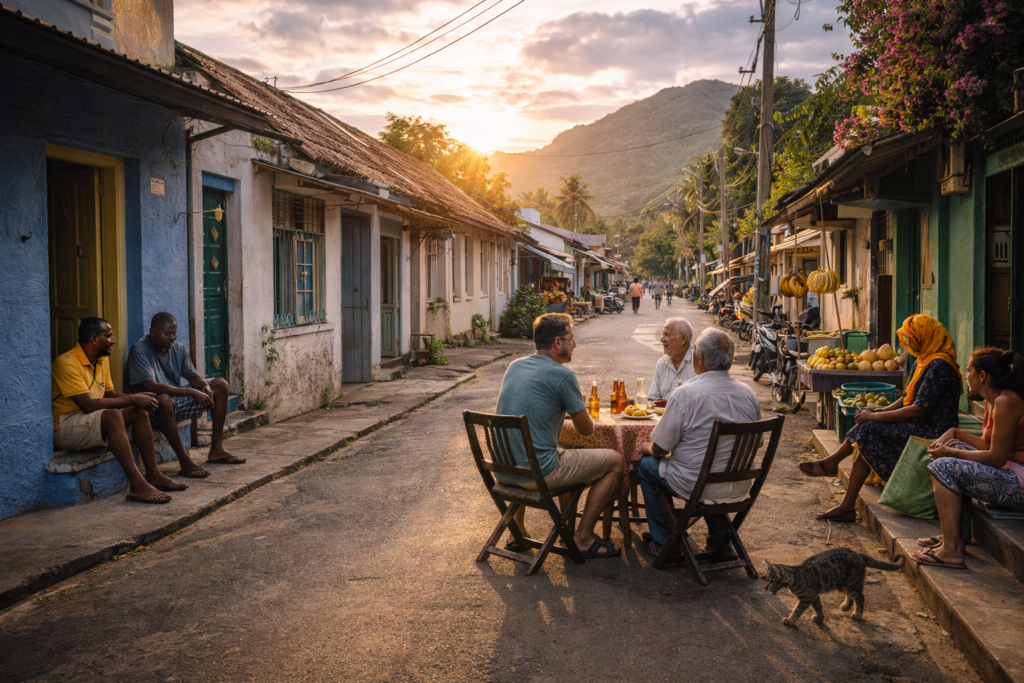
Mauritius also teaches the importance of slowing down. Life on the island follows a gentler rhythm. Conversations are not rushed, meals are meant to be shared, and relationships are valued over schedules. In a world that often equates speed with success, Mauritius reminds us that well-being and connection are equally powerful measures of progress.

There is also a quiet respect for nature that runs deep. As an island shaped by volcanic forces and surrounded by the ocean, Mauritians understand both the beauty and fragility of their environment. Forests, reefs, and coastlines are not treated as disposable resources, but as part of national heritage. This relationship with nature reflects an understanding many societies are still learning — that sustainability is not a trend, but a responsibility.
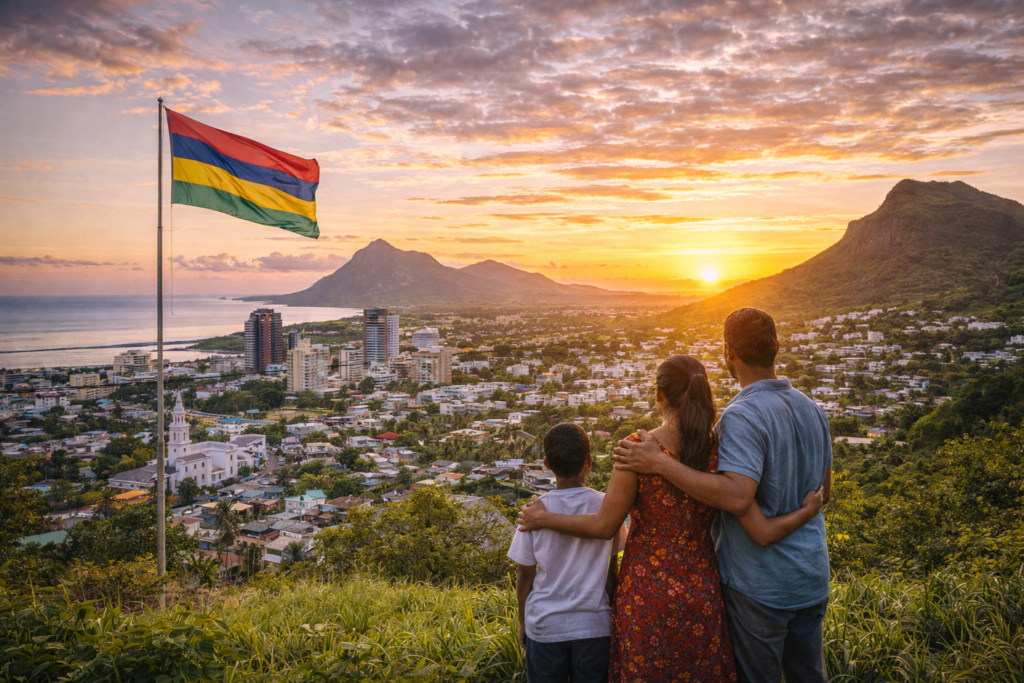
Perhaps the most meaningful lesson Mauritius offers is resilience. The island’s history includes colonization, economic dependence, and geographic isolation. Yet rather than being defined by these challenges, Mauritius adapted. Through education, cooperation, and inclusivity, it transformed itself into a stable, confident nation. Change was not resisted blindly, nor accepted without thought — it was shaped to serve the people.
Mauritius proves that influence is not measured by size or power. A small island can carry a big soul — one that shows the world how coexistence, balance, and humanity can thrive together.